
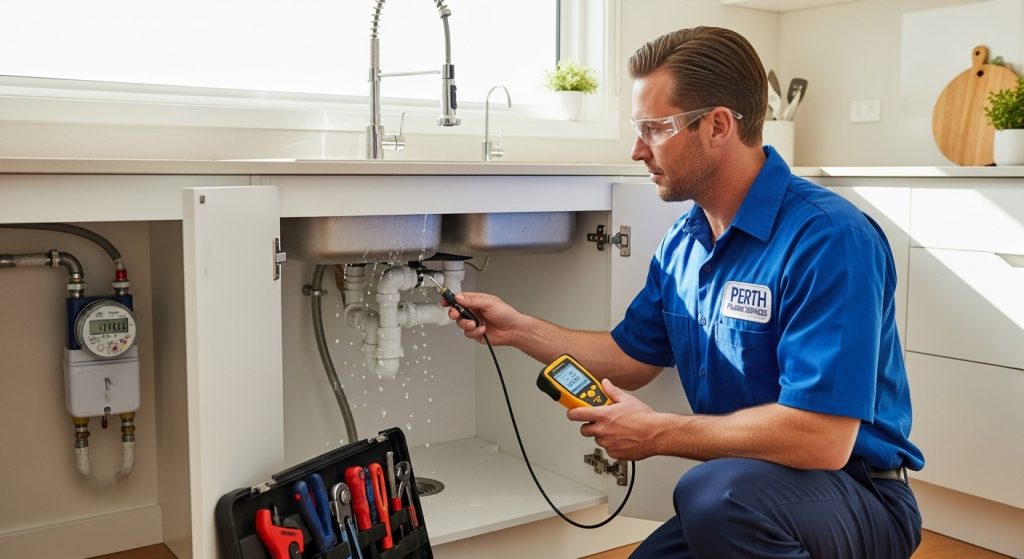
Water leaks may seem minor at first, but they can quickly turn into serious problems. Even a small leak can waste hundreds of litres in a week and cause hidden damage over time. Most leaks occur under sinks, inside walls, or in garden pipes, making them easy to miss until bills rise or structural issues appear.
Detecting leaks early saves both water and repair costs. That’s why Alkimos Plumbing created this simple guide to help you understand how to handle minor leaks yourself and recognise when it’s time to call a licensed professional plumber.
Smart Water Leak Detection Tools for DIY Use
Modern technology has made it easier than ever for homeowners to spot leaks early. Today’s smart tools can track your home’s water use and alert you as soon as something unusual happens. Some of the most useful options include:
Leak Detection Apps: Many smart water meters come with mobile apps that show real-time water usage and notify you of sudden changes.
Digital Water Meters: These replace old manual meters and monitor water flow every hour. If they detect constant usage when no taps are running, it often means a hidden leak.
Bluetooth Sensors: Small and easy to install, these devices can be placed under sinks, near hot water units, or behind toilets. They send alerts or sound an alarm as soon as they sense moisture.
DIY Detection: What You Can Handle Yourself
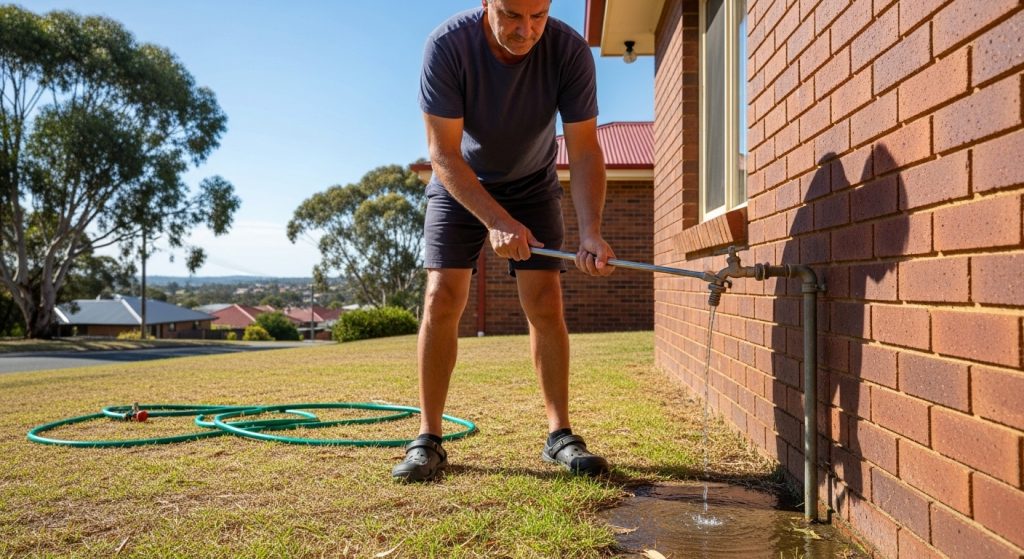
Many small leaks around the home can be identified and fixed without the need to call a plumber. If you’re comfortable using basic tools, you can often solve these issues quickly.
Running toilets: If your toilet keeps refilling after you flush, it usually means the rubber seal inside the tank (called a flapper) isn’t closing properly. Replacing this seal or adjusting the float can stop the continuous water flow and save litres every day.
Dripping garden taps: A worn washer or O-ring often causes a steady drip from an outdoor tap. Turning off the water supply and replacing these small parts usually solves the problem.
Under-sink leaks: Water pooling under your kitchen or bathroom sink often comes from loose fittings or worn seals in the U-bend pipe. Tightening the joints or replacing the rubber washers can fix the leak.
Step-by-Step Leak Check Guide
If you suspect a leak, a quick home inspection can help confirm it before calling a plumber. Here’s how to check:
Monitor your water meter – Turn off every tap and water-using appliance in your home. Watch the water meter for a few minutes. If the dial continues to move, there’s likely a hidden leak.
Test toilet cisterns – Add a few drops of food coloring to the toilet tank and wait about 10 minutes without flushing. If coloured water appears in the bowl, the cistern is leaking.
Inspect visible pipes and taps – Look closely at areas under sinks, around outdoor taps, and near hot water systems. Drips, rust, or dampness often indicate a slow leak.
Use smart leak detectors or apps – For hard-to-reach spots, place Bluetooth or Wi-Fi moisture sensors that alert you instantly when they detect water. Some even track your daily usage and notify you about unusual activity
Advanced Problems That Require a Professional
Some leaks are hidden deep within walls or floors and can’t be fixed with basic tools. If you notice any of these signs, it’s time to call a licensed plumber:
- Damp or mouldy walls and floors that stay wet
- A sudden rise in your water bill without any change in usage
- Warm spots on floors, which can mean a hot water or slab leak
- Water stains on ceilings or behind cabinets
Professional plumbers use thermal imaging cameras, acoustic sensors, and pipe inspection cameras to detect hidden leaks accurately. In many states, repairs involving main water lines or pipe replacements must be handled by a licensed plumber to meet safety standards.
If you live in Perth, Alkimos Plumbing is a trusted choice for reliable water leak detection and repair. Their licensed team can locate even the toughest leaks quickly and safely.
If you’re outside Perth, there are plenty of qualified plumbers and local services across Australia, available both online and in-person, to help you fix leaks before they turn into costly damage.
Choosing the Right Plumber for Water Leak Detection
When hiring a plumber, don’t just choose based on price alone. A reliable professional brings both skill and technology to the job. Look for:
- Proper licensing and insurance to ensure the work meets state safety standards.
- Proven experience in leak detection, especially with hidden or recurring leaks.
- Use of advanced tools like thermal imaging, acoustic sensors, or moisture meters for accurate results.
- Transparent pricing, with a written quote that outlines costs clearly, including any call-out or inspection fees.
If you’re in Perth, getting help from an experienced local plumber makes the process quicker and more reliable. For other regions, certified professionals are easy to reach through trusted plumbing services in your area.
Questions to Ask Before Hiring
Before choosing a plumber, ask a few key questions to make sure they’re the right fit:
- Do you use modern, non-invasive leak detection tools?
- Can you share photos or a detailed report of your findings?
- Do you provide same-day service if the leak becomes urgent?
- Are you familiar with local water efficiency standards and available rebates?
You can also check the Australian Government Water Efficiency Guide to understand available rebates and best practices for reducing water waste.
Conclusion
Catching a leak early can save a lot of stress and money. A few smart tools and a bit of attention are often enough to handle small leaks at home. But when water keeps showing up where it shouldn’t, that’s when you call a licensed plumber.
Alkimos Plumbing has the gear and experience to find leaks fast and fix them properly. Sorting it out early doesn’t just protect your place it also helps save one of Australia’s most precious resources: water.