
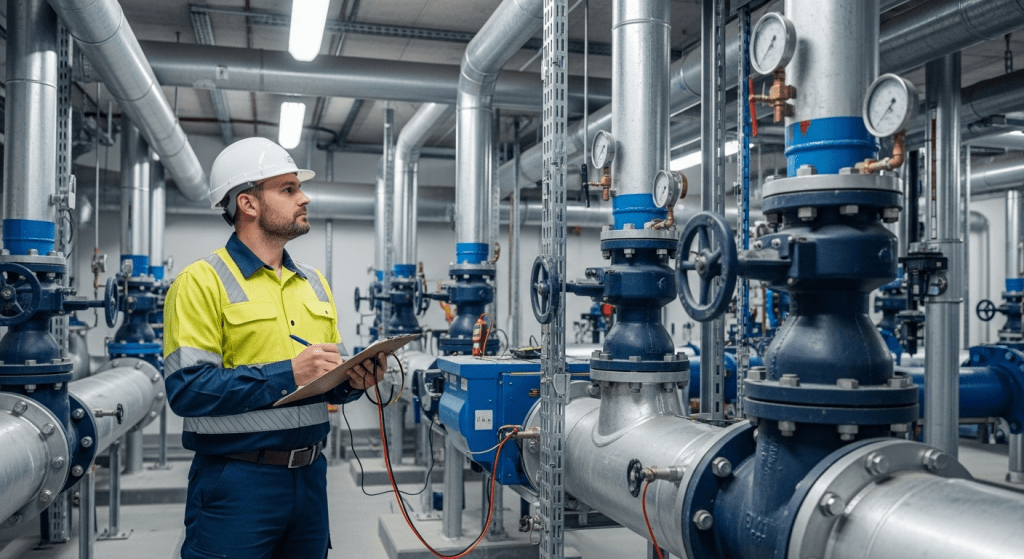
Commercial plumbing requires precision and experience because even the smallest mistake can lead to major and costly problems. A single overlooked detail can cause system failures, water damage, or expensive repairs.
To help property owners and builders avoid these issues, Alkimos Plumbing has created this guide. It explains how careful planning and the right approach can save both time and money while keeping plumbing systems efficient and reliable. This presentation will examine how poor planning results in costly errors and what we can do to avoid them.
Poor Planning and Design Oversights
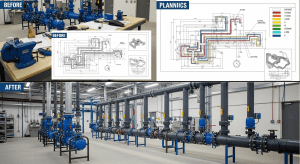
Expensive plumbing issues often begin during the planning stage, not after installation. Failing to account for long-term water needs or skipping proper design leads to costly rework and code violations.
Involve a qualified commercial plumbing contractor from the start of the project and discuss layout issues with the design team, electrical engineers, and HVAC specialists early on. Use accurate hydraulic drawings and pressure calculations to eliminate leaks and inefficiencies. Investing in planning at this point means saving time, money, and repair costs later.
Using Unlicensed or Inexperienced Plumbers
Hiring unlicensed or inexperienced labour often leads to costly and unsafe outcomes. Every state requires proper licensing for commercial plumbing repair and installation. Ignoring this can void insurance, cause non-compliant systems, or result in legal penalties.
Before starting any project, always verify your contractor’s licence number with the relevant state authority to ensure the work meets professional and regulatory standards. Partnering with an advanced commercial plumbing team ensures compliance and reliability from start to finish.
Ignoring Australian Plumbing Standards
Failure to follow the AS/NZS 3500 Plumbing and Drainage standards or the National Construction Code (NCC) can lead to serious and costly issues.
All commercial plumbing work must:
- Use WaterMark-approved products
- Install fixtures with proper WELS water efficiency ratings
- Include backflow prevention and drainage systems that meet local council requirements
Neglecting these standards increases the risk of contamination, poor water performance, and legal penalties.
Choosing the Wrong Materials
The use of domestic-grade materials in industrial or commercial plumbing often leads to rust, pressure loss, and frequent breakdowns. The components for commercial systems must be made to withstand heavy demand and continuous usage.
Stainless steel for long-lasting strength, PEX or copper for the hot and cold water systems, and industrial-grade valves and fittings with WaterMark certification are among the best options. It might be more expensive to invest in quality materials at first, but it greatly lessens the maintenance costs and downtime in the future.
Overlooking Backflow and Drainage Design
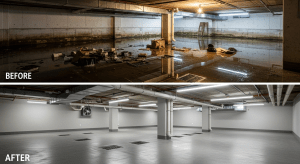
Backflow occurs when contaminated water flows into clean supply lines, posing a serious health risk. Commercial properties must have backflow prevention devices installed and tested annually in line with national standards.
Poor drainage design can lead to flooding, blockages, or unpleasant odours. Ensure drainage systems have proper gradients, ventilation, and schedule regular CCTV inspections for high-use facilities to maintain performance and safety.
Neglecting Maintenance and Long-Term Servicing
Ignoring maintenance often turns small plumbing issues into major repairs. Many businesses only act after a failure, by which time damage and downtime are unavoidable.
Prevent this by scheduling regular inspections, keeping digital maintenance logs, and using leak detection systems for early alerts. Routine servicing keeps plumbing systems compliant, reliable, and cost-efficient over the long term.
Poor Communication Between Stakeholders
Lack of clarity in communication among the construction site staff, consisting of project managers, plumbers, and engineers, typically results in delays, design conflicts, and expensive rework.
Project management tools can provide real-time updates, clear responsibilities can be assigned at each stage, and documentation can be kept accurate and accessible as measures to address this. Regular synchronization among the team ensures that the projects continue to be timely, cost-effective, and regulatory-compliant.
Conclusion
Commercial plumbing requires precision and full compliance at every stage, from planning and installation to maintenance. Shortcuts may save time initially, but often lead to costly breakdowns later.
By avoiding these common mistakes, businesses can achieve reliable performance, cleaner water systems, and long-term savings. For large or complex projects, partnering with Alkimos Plumbing ensures every system meets AS/NZS 3500, WaterMark, and NCC standards. With expert guidance and careful planning, you can secure efficient plumbing that lasts for years.